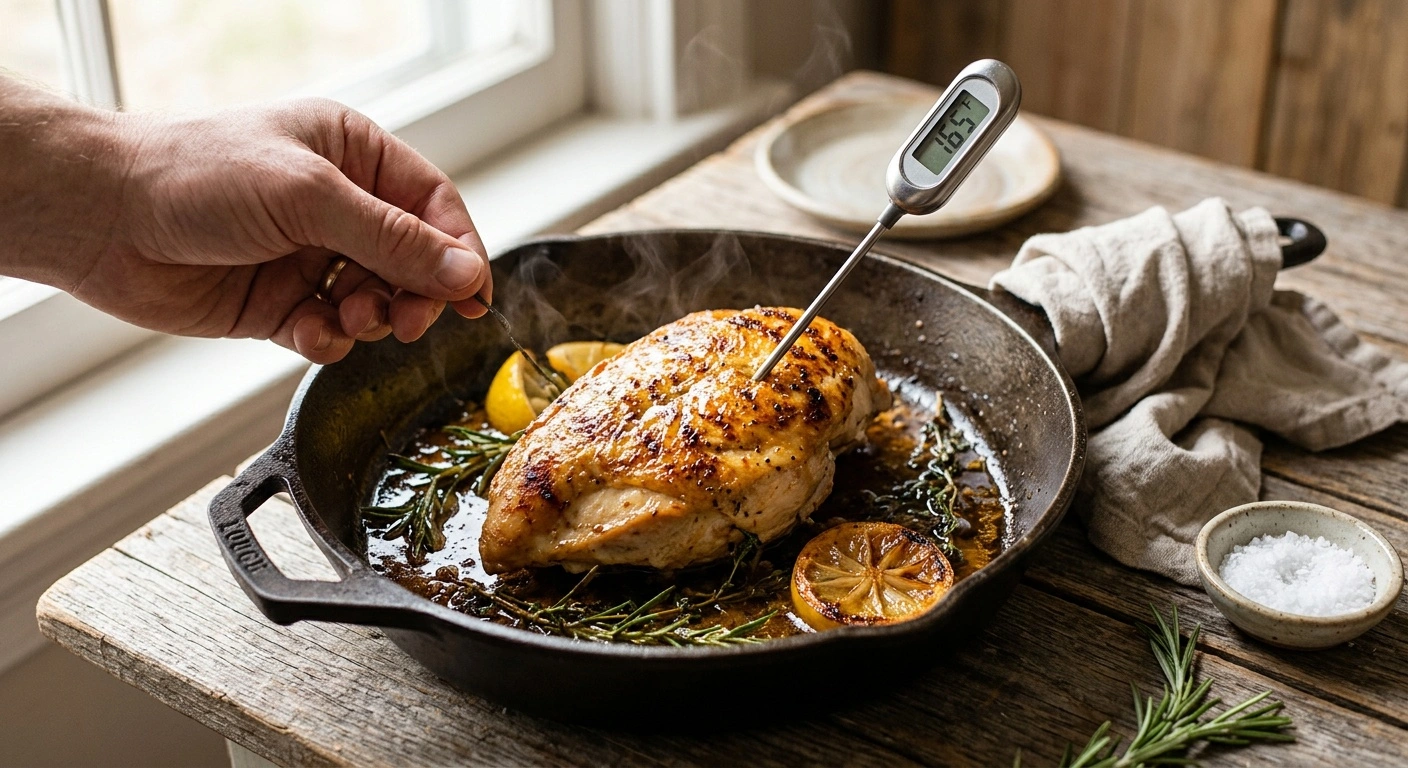
When you’re asking yourself, “what temperature should chicken be cooked to?” the answer is that it should reach an internal temperature of 165°F (74°C) for safe consumption. This guideline ensures that harmful bacteria like Salmonella and Campylobacter are eliminated, making your chicken safe to eat and delicious.
What Temperature Should Chicken Be Cooked To: Importance of Proper Cooking
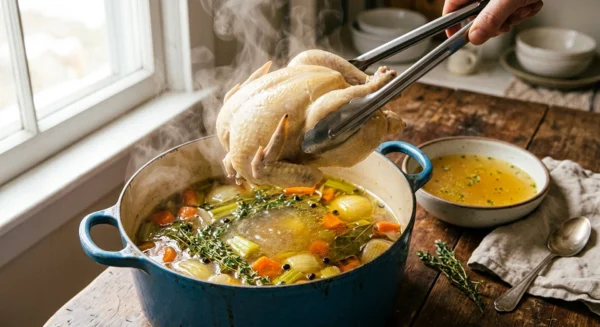
Cooking chicken to the proper temperature is essential for both safety and taste. Undercooked chicken can harbor bacteria that lead to foodborne illnesses. On the other hand, overcooking results in tough, dry meat. Achieving that 165°F (74°C) internal temperature hits the sweet spot where the chicken is safe and retains its juicy flavor.
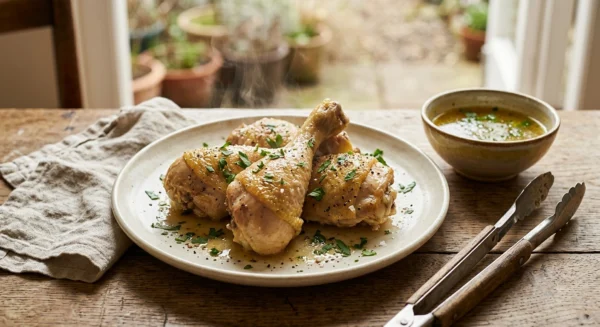
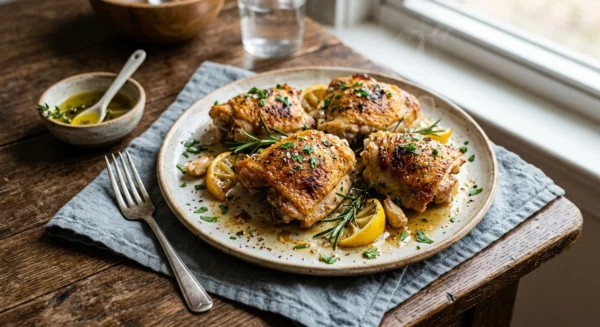
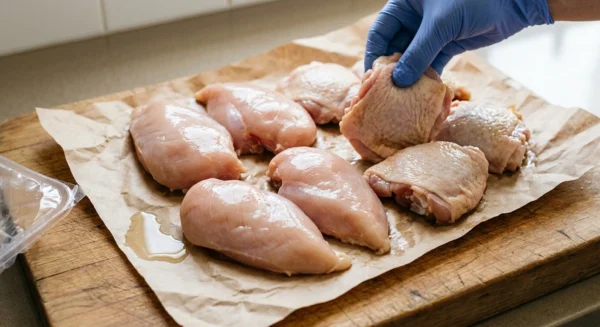
Different cuts offer varying textures and cooking needs. For instance, the breast is lean and cooks faster. Thighs and drumsticks, containing more fat and connective tissue, benefit from slightly higher temperatures. Cooking these darker cuts to between 175°F and 195°F helps break down tough fibers, resulting in tender, flavorful meat.
Temperature Guide for Various Chicken Cuts
| Chicken Cut | Recommended Temperature | Texture Preference |
|---|---|---|
| Whole Chicken | 165°F (74°C) | Juicy and safe |
| Breasts | 165°F (74°C) | Moist and firm |
| Thighs | 175°F (80°C) to 195°F (90°C) | Tender and flavorful |
| Drumsticks | 175°F (80°C) to 195°F (90°C) | Rich and succulent |
Ensuring the Right Chicken Temperature
Oven
Preheat the oven to 375°F (190°C) before roasting chicken. Insert a meat thermometer into the thickest part, avoiding the bone. Let the meat rest for a few minutes after cooking, as the temperature may rise slightly, ensuring thorough cooking.
Air Fryer
Air frying is a quick alternative. Cook chicken breasts at 375°F (190°C) for about 20 minutes, flipping halfway. Check the temperature before serving.
Skillet
For stove-top cooking, sear chicken on medium-high heat for 6 to 7 minutes per side. Use a thermometer to confirm the temperature, especially for pieces thicker than one inch.
Grill
Grilling imparts a great smoky flavor. Maintain the grill at medium heat. Cook boneless breasts for 6 to 8 minutes per side and check the internal temperature.
Slow Cooker
Combine your ingredients in a slow cooker and set on low for 6 hours or high for 3.5 to 4 hours. Verify doneness by checking multiple spots.
Pressure Cooker
The pressure cooker can rapidly tenderize chicken. Breasts usually require about 10 minutes on high pressure with a natural release. Prioritize the internal temperature over time.
Common Chicken Cooking Problems and Solutions
Problem: Chicken is dry and tough.
Cause: Overcooking beyond target temperatures.
Fix: Remove the chicken from heat at the right temperature and let it rest.
Problem: Chicken is undercooked.
Cause: Removing from heat too soon or using improper equipment.
Fix: Double-check through multiple readings with a reliable thermometer.
Problem: Uneven cooking.
Cause: Inconsistent piece sizes or unreliable cooking methods.
Fix: Pound or slice pieces uniformly and distribute heat evenly, rotating pieces halfway through cooking.
Refrigeration and Storage Tips for Chicken
Leftover cooked chicken maintains quality for 3 to 4 days in the refrigerator. If freezing, ensure it’s airtight, lasting up to 4 months without significant quality loss. Reheat to the original 165°F (74°C) safety threshold to ensure taste and safety.
Chicken Pairing Suggestions
Chicken is versatile, pairing well with various sides. A zesty arugula salad or crisp coleslaw offers a fresh touch. Comfort food lovers might enjoy creamy mashed potatoes or buttery cornbread. For a health-conscious meal, opt for steamed vegetables or quinoa.
Aiming for the right internal temperature ensures chicken is both safe and delicious, balancing multiple factors during the cooking process. Season thoughtfully, monitor the temperature, and savor every bite of well-cooked chicken.