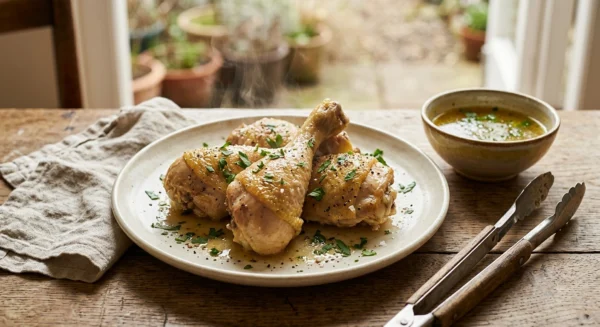
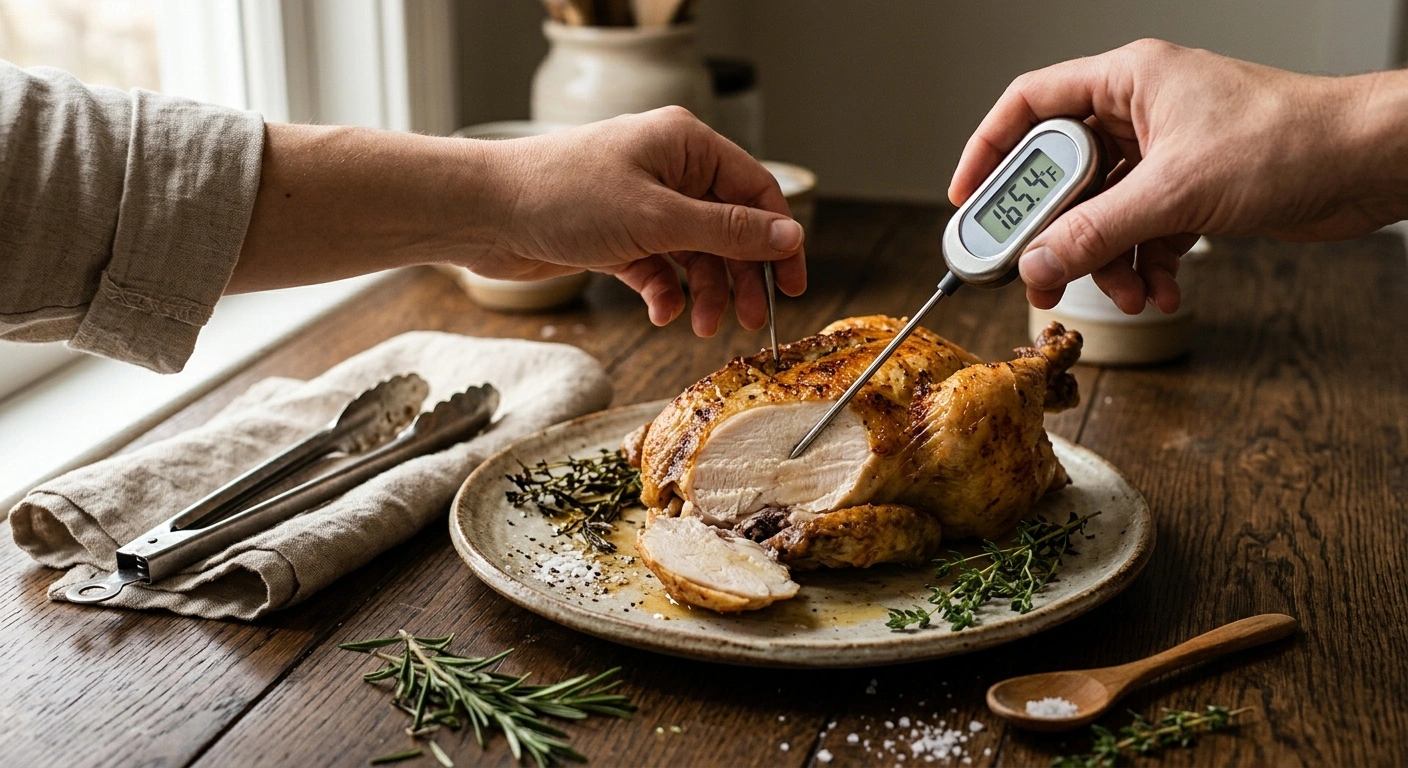
Understanding how to tell if chicken is cooked can make the difference between a flavorful dish and an unsafe one. When chicken is cooked properly, it reaches the USDA-recommended internal temperature of 165°F (74°C). This ensures that harmful bacteria are eradicated, leaving behind a tender and delicious piece of meat.
Visual and Tactile Cues
While a food thermometer provides the most reliable check, you can also look for other cues to determine readiness. Cooked chicken should be completely opaque with juices running clear when cut. The flesh should feel firm yet slightly springy when pressed. If the meat appears rubbery or too soft, it likely needs more time to cook.
Color Changes in Chicken
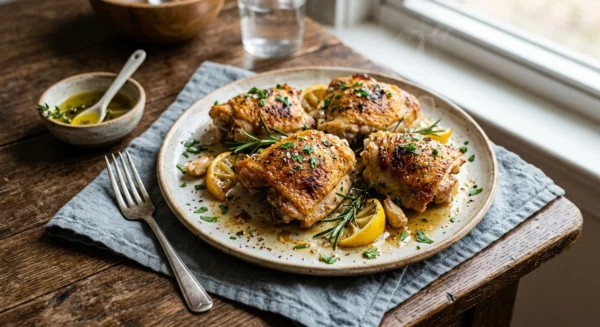
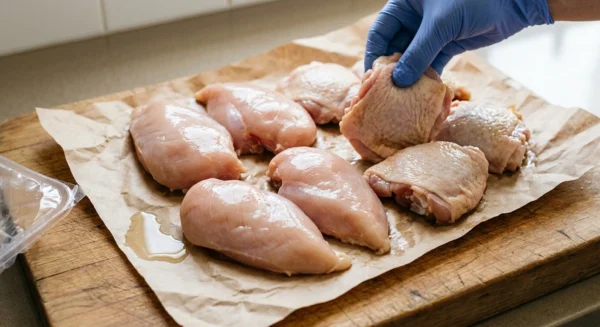
Color changes can indicate doneness. Raw chicken is typically pink, while cooked chicken turns white and opaque. Roasted or baked chicken skin should turn a golden brown. Keep in mind, external color alone isn’t a guarantee of doneness, especially for bone-in pieces, which may cook unevenly.
Temperature and Time: The Thermometer Test
A meat thermometer removes guesswork from cooking chicken. Insert it into the thickest part of the meat, avoiding bones, to get an accurate reading. Aim for a steady 165°F (74°C) before considering it safe to eat. For dark meats like thighs or drumsticks, cooking to 175°F to 195°F can enhance flavor by further rendering fat.
Cooking Methods and Their Impact
Different methods affect how you judge doneness and impact cooking time. Knowing specific cues for each method is vital.
Oven Baking and Roasting
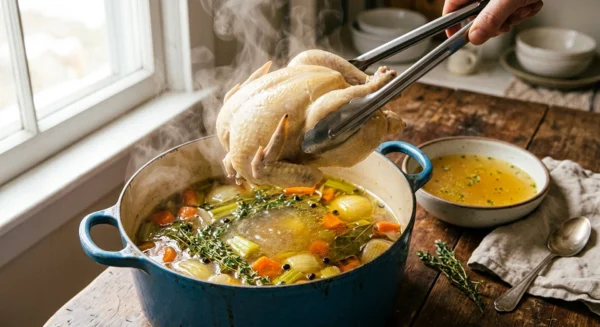
Oven baking is excellent for whole chickens or large bone-in pieces, offering evenly cooked and juicy results. Roast a 4-pound chicken at 350°F (175°C) for about 20 minutes per pound, but always confirm doneness with a thermometer.
Grilling
Grilling adds a charred flavor but requires close monitoring to avoid drying out. Check internal temperatures frequently because chicken breasts cook quicker than thighs or legs. Flip the chicken only once to ensure even cooking.
Skillet or Pan Frying
Skillet frying is ideal for smaller cuts, like chicken breasts. High heat provides a crispy surface but can dry the meat if left unattended. Track internal temperatures and look for a deep caramel color in the juices.
Slow Cooker
Using a slow cooker is convenient for infusing chicken with rich flavors over hours. Though it won’t give a golden crust, it ensures tender, well-cooked meat. Eight hours on low usually cooks even the thickest cuts thoroughly.
Air Fryer
An air fryer offers efficient cooking with less oil. Small boneless pieces typically cook within 15-20 minutes. Still, always check internal temperature to ensure doneness.
Troubleshooting Undercooked or Overcooked Chicken
If chicken is undercooked in the center, it is often due to inconsistent heat or removing it too soon. Revisiting the heat source for more cooking can solve this. Dry or overcooked chicken often results from excessive heat or time; counter this by using moist cooking methods like braising or creating rich sauces.
Safeguarding Against Cross-Contamination
Prevent cross-contamination by using separate cutting boards and utensils for raw chicken, and wash hands and surfaces immediately after handling. Discard or boiler marinades after contact with raw chicken.
Extending Shelf Life
Store raw chicken in the refrigerator for 1 to 2 days, or frozen for up to 12 months. Cooked chicken stays fresh in the refrigerator for 3 to 4 days. Proper planning helps you enjoy chicken dishes without compromising safety or quality.
Mastering Perfectly Cooked Chicken
Knowing how to tell if chicken is cooked empowers you to create safe, flavorful meals. Whether roasting, grilling, or using a slow cooker, mastering these techniques ensures delicious, juicy chicken. Keep a thermometer handy, rely on visual and tactile cues, and enjoy every bite of your expertly cooked chicken.