
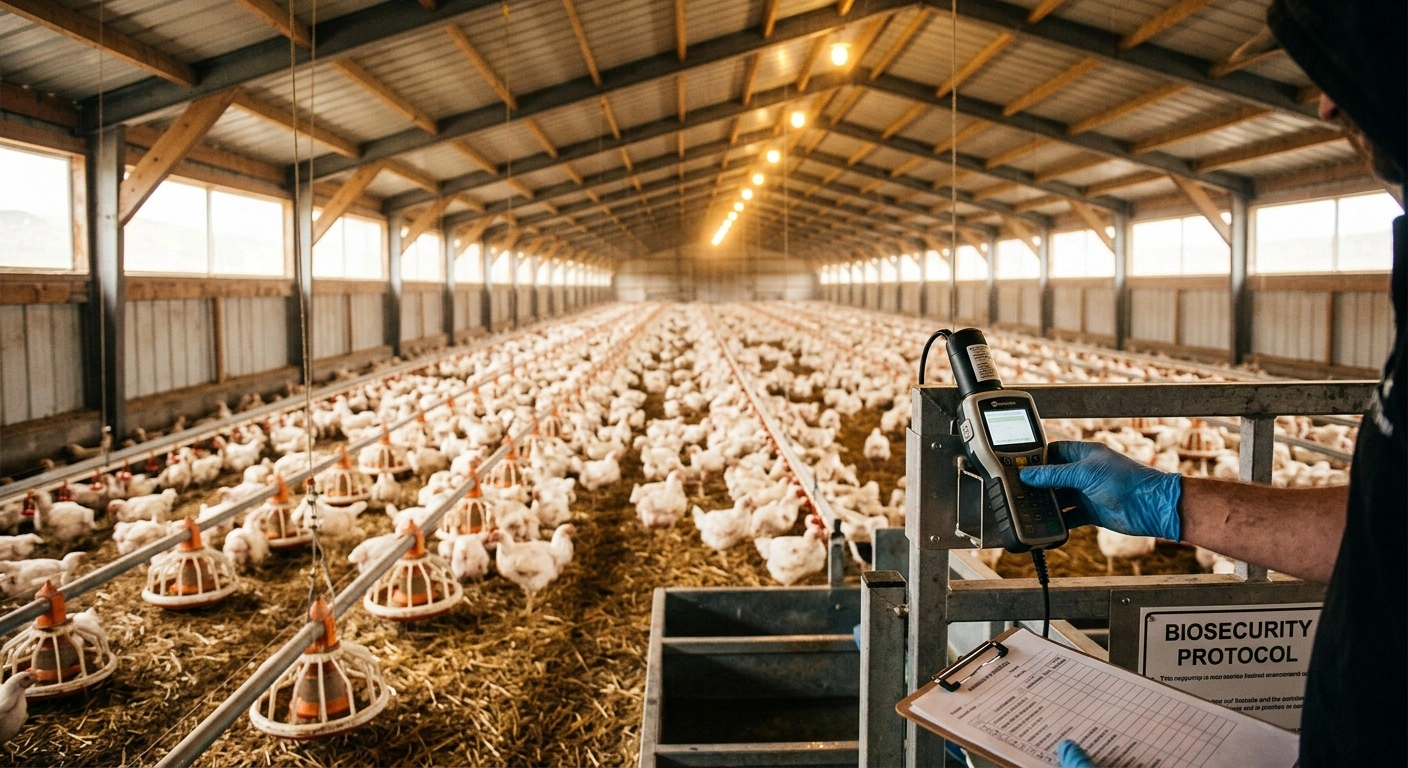
The bird flu chicken supply plays a crucial role in determining egg availability and prices. Avian influenza causes significant disruptions in poultry production, leading to challenges in maintaining stable supplies. Understanding how bird flu affects chicken and egg supplies enables consumers to make informed decisions and prepare for possible availability and cost changes.
Understanding Bird Flu’s Impact on Poultry
Bird flu is caused by influenza viruses that primarily affect birds like chickens. While some strains can infect humans, outbreaks within poultry are the main concern for the chicken supply. Highly pathogenic avian influenza (HPAI) strains are particularly severe, causing high mortality rates among birds. Poultry producers must quickly contain outbreaks, often by culling infected flocks to prevent spread.
The culling of chickens during bird flu outbreaks reduces the available supply, impacting both live birds for meat and hens for egg production. The extent of these disruptions depends on the outbreak’s scale and the affected regions.
Impact on the Bird Flu Chicken Supply
During an outbreak, immediate culling of infected birds is necessary to control the virus. This approach substantially impacts the chicken supply by reducing the number of birds available for processing. Flock numbers decrease rapidly, leading to lower production levels and potential shortages.
Poultry farms near an outbreak may face quarantine measures to prevent further spread, shrinking the supply chain by restricting movement and exports. Consequently, consumers may notice fewer chickens in the market and higher prices due to increased demand on limited supply.
Egg Production and Availability
Besides affecting meat supply, bird flu significantly impacts egg production. Hens in affected flocks are often culled, leading to a decline in egg-laying stock. This reduction affects egg availability and can lead to price hikes. Producers might face prolonged recovery periods, as rebuilding flocks and restoring normal production takes time.
Economic Effects on the Poultry Industry
Bird flu outbreaks have extensive economic effects beyond immediate supply disruptions. Poultry farmers face financial strains from stock loss and trade restrictions. Governments often implement trade bans to contain the virus, impacting countries dependent on poultry exports for revenue.
Consumers may experience price fluctuations for chicken and eggs, reflecting supply instability. The market may become more volatile if multiple outbreaks occur or if producers struggle to replenish flocks quickly.
Managing Bird Flu Outbreaks
Biosecurity Measures
Poultry producers adopt strict biosecurity measures to reduce bird flu risk. These include controlling farm access, closely monitoring bird health, and ensuring workers follow hygiene protocols. Preventing virus entry is crucial to maintaining supply stability.
Surveillance and Rapid Response
Advanced surveillance systems and rapid response teams are essential for managing outbreaks. Early bird flu detection allows quick containment actions, potentially reducing the need for widespread culling. Vaccination strategies may also protect flocks under certain circumstances.
Consumer Role During Outbreaks
Consumers can stay informed about bird flu outbreaks and their effects on the chicken supply. While shortages and price increases might occur, informed buying and planning can help mitigate their impact on household budgets. Opting for available alternatives or adjusting meal plans may be necessary during significant supply disruptions.
Food Safety and Bird Flu
Properly handling and cooking chicken remains safe during bird flu outbreaks. The risk to human health via consumption is extremely low if poultry is cooked to the recommended safe internal temperature of 165°F (74°C). Consumers should follow proper food safety practices, like avoiding cross-contamination and ensuring that chicken reaches the safe cooking temperature.
Future Bird Flu Outbreaks
Staying informed about bird flu outbreaks and their management is vital for consumers and producers. Look for updates from agricultural authorities and health organizations on containment efforts and supply forecasts. As the poultry industry adapts, advancements in preventive measures and outbreak management will evolve, minimizing future disruptions.
The impact of bird flu on chicken and egg supplies highlights the complexities in food production and the interconnected nature of global agriculture. By understanding these dynamics, consumers and producers can navigate challenges posed by avian influenza, ensuring a more resilient supply chain moving forward.