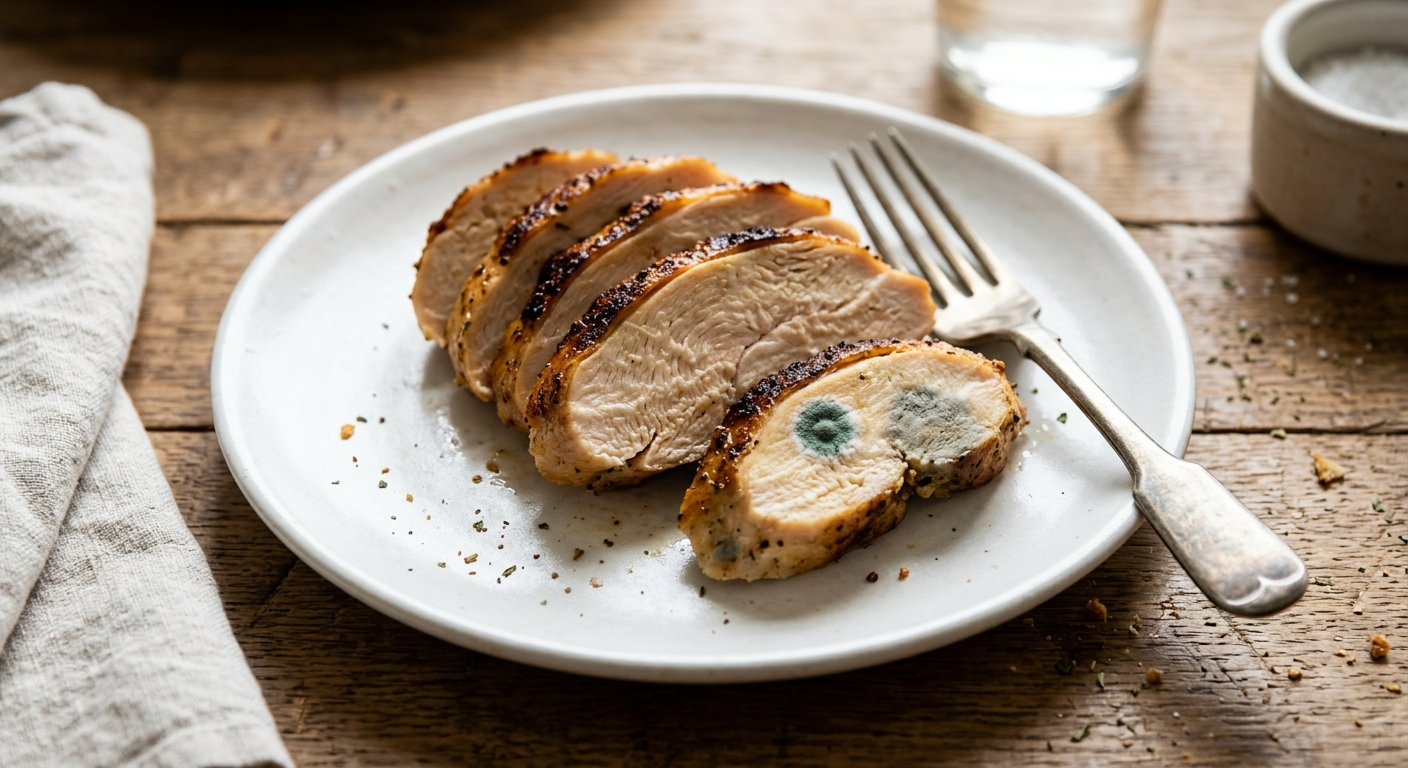
Knowing how to tell if cooked chicken is bad can prevent unpleasant experiences or foodborne illnesses. It’s essential to identify spoilage signs to ensure chicken leftovers are both safe and delicious. This guide will help you recognize spoiled cooked chicken, understand proper storage techniques, and determine when it’s time to discard questionable leftovers.
Recognizing Spoiled Cooked Chicken
To ensure your chicken’s safety, rely on your senses. Carefully observe the appearance, smell, and texture to evaluate its condition.
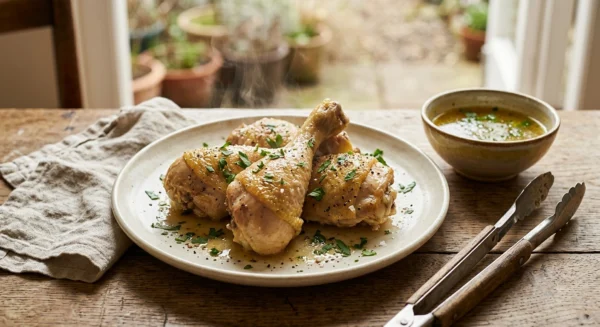
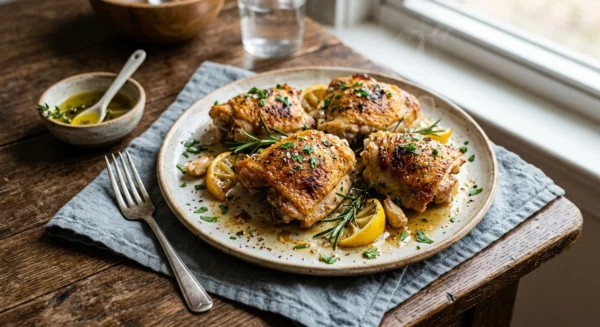
- Appearance: Fresh cooked chicken should be either white or brown, consistent with its part, while any green or gray hues indicate spoilage. Mold growth is a clear sign you need to discard it.
- Smell: Spoiled chicken gives off a sour or ammonia-like odor. Fresh cooked chicken should smell pleasant. If it has an off scent, it’s safer to throw it away.
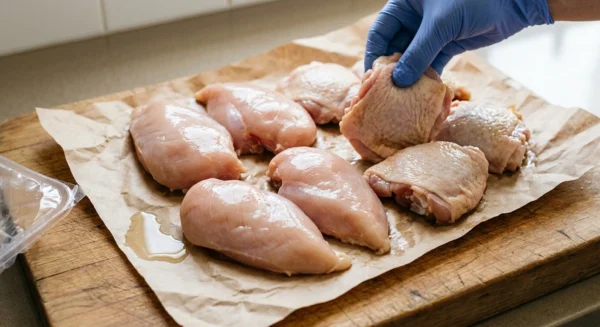
- Texture: A sticky, slimy, or tacky surface means the chicken is no longer good. Fresh chicken should have a firm texture without residues.
Storage Guidelines for Cooked Chicken
Store your cooked chicken correctly to prevent premature spoilage. Refrigerate it within two hours of cooking to avoid the danger zone, between 40°F and 140°F (4°C to 60°C). The USDA recommends storing cooked chicken in the refrigerator for no more than 3 to 4 days. For longer storage, freeze it where it can remain safe for about 2 to 6 months.
Refrigeration Tips
- Use airtight containers or tightly wrap cooked chicken with aluminum foil or plastic wrap to protect it from air exposure and contaminants.
- Label the packaging with the date it was cooked and stored.
- Keep the refrigerator temperature at or below 40°F (4°C) to slow bacterial growth.
Reheating Cooked Chicken Safely
It’s important to reheat chicken to a safe temperature to avoid harmful bacteria. Ensure cooked chicken reaches an internal temperature of 165°F (74°C) when reheated.
Methods for Reheating
- Oven: Preheat to 350°F (175°C) and heat the chicken for 20-30 minutes, making sure it reaches 165°F.
- Stovetop: Warm it in a pan over medium heat with a little broth or water to keep it moist, stirring occasionally.
- Microwave: Use microwave-safe containers, cover the chicken, and heat in short intervals until it reaches 165°F (74°C).
Troubleshooting: Common Issues and Fixes
| Problem | Cause | Fix |
|---|---|---|
| Slimy texture | Stored too long or improperly | Discard the chicken |
| Off smell | Bacterial growth from storage issues | Discard the chicken |
| Dried out when reheating | Overheating or insufficient moisture | Add liquid (broth, water) when reheating |
Understanding the Risks of Bad Chicken
Eating spoiled chicken can cause foodborne illnesses like salmonella or campylobacter infections, leading to nausea, vomiting, diarrhea, and abdominal pain. By monitoring freshness, using sensory cues, and adhering to storage and reheating protocols, you can significantly reduce these risks.
Final Thoughts: Rely on Your Senses
While discarding uncertain chicken may feel wasteful, the cost to your health could be much higher. Trust your senses when determining if cooked chicken is bad. Following these tips ensures safe and enjoyable meals every time you dig into your chicken leftovers.