Knowing how to tell if raw chicken is bad is a crucial skill for any home cook. Chicken is a versatile and popular ingredient, but it poses health risks if it’s spoiled. Identifying bad chicken before it reaches your plate involves simple checks that rely on your senses and practical judgment.
Signs of Spoiled Raw Chicken
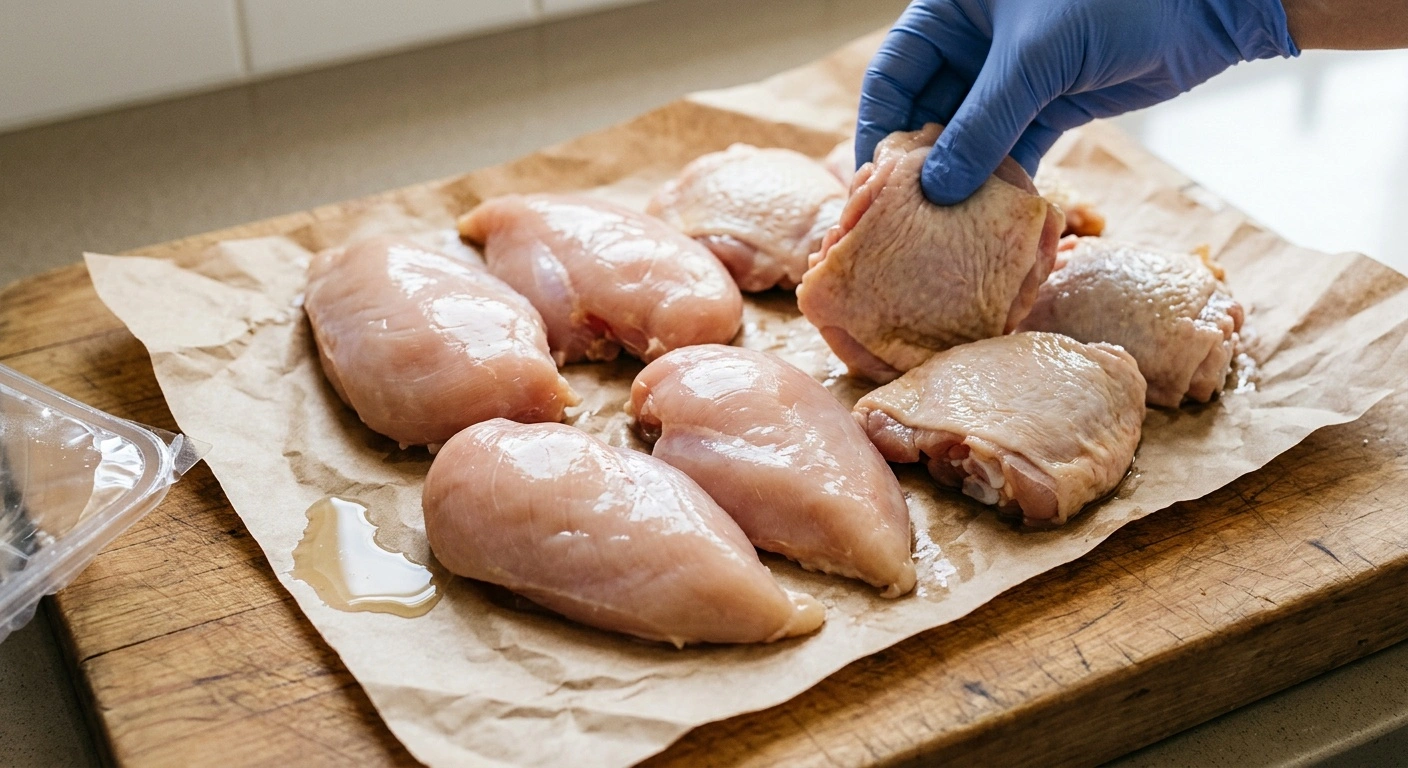
Your senses are your best tools when evaluating raw chicken. Start with appearance. Fresh chicken should be pale pink with some transparency. Any grayish hues or noticeable spots of discoloration indicate it’s past its prime. Smell is another indicator; fresh chicken has a neutral odor, while spoiled chicken emits a sour, ammonia-like smell. Trust your nose if in doubt.
The texture of raw chicken also tells a story. Fresh chicken feels slightly tacky but not sticky or slimy. A slippery film signals spoilage, especially important if you’ve thawed frozen chicken. Chicken remains safe in the refrigerator for 1 to 2 days and in the freezer for up to 9 to 12 months.
Does the Packaging Matter?
Packaging is important. Damaged, leaking, or overly ballooned packaging can indicate bacterial growth or spoilage. Vacuum-sealed packages should feel firm without much extra give. Containers should remain intact and properly sealed to maintain freshness. Always check the expiration or sell-by date as your first line of defense.
Cleaning Raw Chicken: A Misstep?
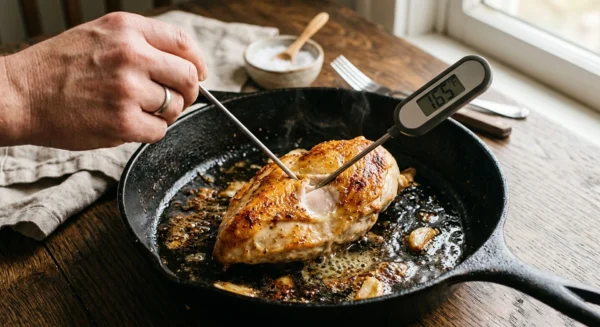
Rinsing raw chicken is a common misconception. Washing chicken spreads bacteria around your kitchen, increasing cross-contamination risks. The USDA advises against this practice. Instead, focus on proper cooking temperatures (165°F or 74°C at the thickest part) to kill any bacteria.
Storage Tips to Ensure Freshness
Proper storage preserves chicken. Keep it in the coldest part of the refrigerator, usually in a dedicated meat drawer, and ensure it’s sealed or wrapped to prevent leaks that contaminate other foods. Freezing is an excellent option if purchased in bulk. Wrapping chicken tightly in plastic, foil, or freezer bags protects against freezer burn.
Before Freezing
Label raw chicken packages with the date before freezing to monitor usage within the optimal window, preventing the dried-out texture often caused by freezer burn.
Understanding Raw Chicken Texture
Fresh raw chicken should feel smooth and slightly moist. If it’s sticky or slimy, discard it. This texture change often accompanies a shift in color and smell, marking it unfit for consumption. Texture may vary slightly by part; for instance, fattier cuts like thighs might feel softer but should never be slimy.
Troubleshooting: When You’re Unsure
Problem: The chicken looks slightly discolored.
Cause: This might occur naturally due to freezer burn or aging.
Fix: If there’s doubt beyond natural dulling, discard the affected areas or the whole piece if spoilage signs are evident.
Problem: Raw chicken has a mild smell but not overpowering.
Cause: Chicken can develop a slight odor during packaging.
Fix: If washing off the packaging liquid makes the smell dissipate, it’s likely safe to cook; otherwise, discard.
Problem: Slight stickiness on chicken skin.
Cause: Could be early signs of spoilage or moisture loss.
Fix: Rinse and smell—if the stickiness comes off without further odor, monitor more but proceed with caution.
Shopping Smart for Fresh Chicken
When buying chicken, choose packages from reputable sources with clear sell-by or use-by dates. Select those still cold from the cooler to guarantee freshness. By planning meals, buying, and cooking chicken within 1 to 2 days ensures it stays fresh. Finally, keep a food thermometer handy to check it hits the safe cooking temperature. Cooking to the right internal temperature eliminates guesswork.
By following these guidelines, you’ll master discerning fresh raw chicken from spoiled. Trust your instincts, use your senses, and prioritize safety. A little caution ensures every chicken meal is delicious and safe.