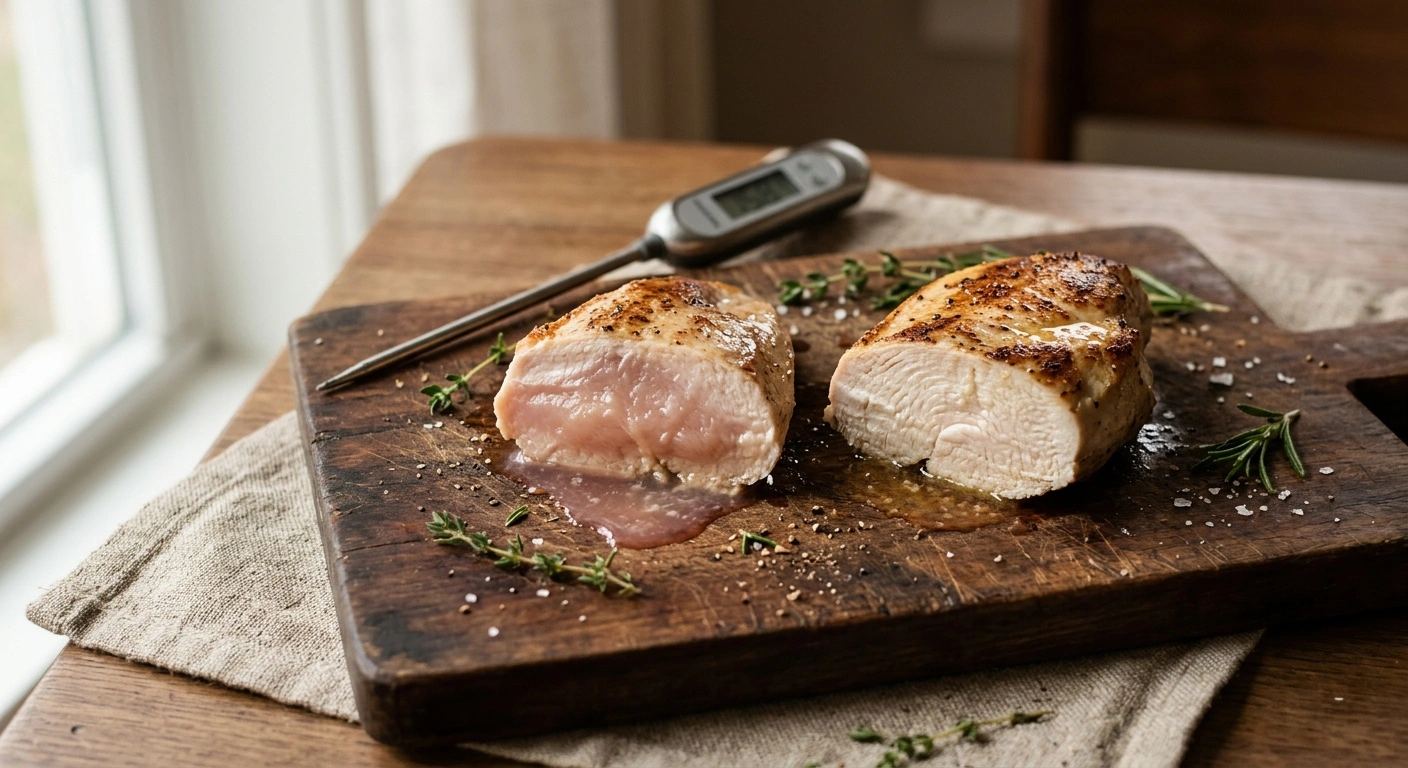
When asking, “what does undercooked chicken look like?” it’s essential to recognize visual cues that indicate potential food safety issues. Spotting these signs helps prevent foodborne illness and ensures your chicken is properly cooked.
What Does Undercooked Chicken Look Like?
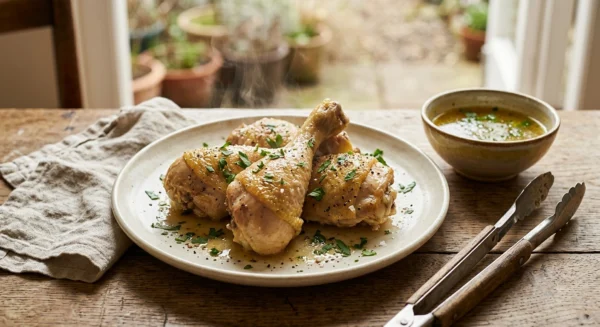
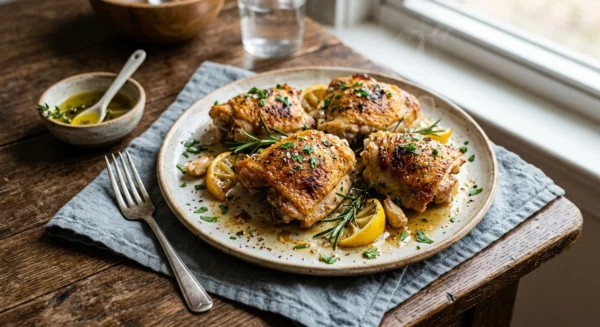
Color is the main indicator of undercooked chicken. It often looks pinkish or slightly translucent, particularly near bones and thicker parts. In contrast, cooked chicken should be all opaque and range from white to tan, depending on the cut.
Texture is another clue. Undercooked chicken feels rubbery, unlike the firm texture of properly cooked chicken. When cutting into it, clear juices show doneness. Pink or cloudy juices mean more cooking is needed.
The Importance of Safe Cooking Temperatures
Cooking chicken to the right internal temperature is vital. According to USDA guidelines, chicken should reach at least 165°F (74°C) for safe consumption. For thighs and drumsticks, aim for 175°F to 195°F. This breaks down connective tissues for tender, fall-off-the-bone results.
Cooking Methods for Chicken
Oven Cooking
Baking chicken in an oven ensures even cooking. Preheat to 350°F (175°C), season your chicken as needed, and use a roasting tray. Check the temperature with a digital instant-read thermometer in the thickest part.
Grilling
Grilling can cause uneven cooking due to hot spots. Use indirect heat, then finish directly over the flame for a smoky flavor. Verify the temperature with a thermometer to ensure safety.
Skillet Cooking
Cooking in a skillet needs careful heat control. Sear the chicken first, then lower the heat to cook without burning. Rotate pieces regularly for even cooking.
Troubleshooting Undercooked Chicken
Problem: Chicken seems done but is raw inside.
Cause: High heat cooked the outside faster than the inside.
Fix: Lower the heat and finish cooking using the oven method.
Problem: Chicken is dry but undercooked near the bone.
Cause: Overcooking tried to fix underdone areas.
Fix: Choose the right cooking method and use a thermometer for accuracy.
Enhancing Chicken Flavor and Juiciness
Brining enhances flavor and juiciness. A simple saltwater brine or a marinade with vinegar or lemon juice can tenderize and flavor the meat. Boil any marinade that contacts raw chicken before reusing it, to kill bacteria.
Food Safety Tips
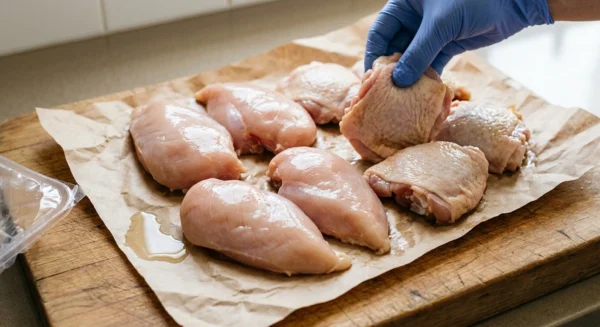
- Use separate cutting boards for raw chicken and other ingredients to avoid cross-contamination.
- Wash hands with soap after handling raw chicken.
- Thaw chicken safely in the fridge, in cold water changed every 30 minutes, or in the microwave. Never thaw on the counter.
- Store raw chicken in the fridge for 1 to 2 days and in the freezer for 9 to 12 months.
- Refrigerate cooked chicken for 3 to 4 days for safe consumption.
The Importance of Properly Cooked Chicken
Cooking chicken thoroughly ensures safety and enhances flavor and texture. With these indicators and tips, you can prepare poultry with confidence and assurance, protecting against foodborne risks.