The US poultry industry forms a vital part of American agriculture, producing chicken for every occasion from supermarket shelves to gourmet dining. As the world’s leading chicken meat producer, the United States not only feeds its citizens but also aids global food supply. However, the industry faces shifts that affect home cooks, chicken lovers, and those seeking exceptional chicken dishes.
Millions of farmers and workers anchor the US poultry industry, driving processes from chicken breeding to establishing welfare standards important to consumers. The sector sees both advancements in sustainable methods and scrutiny over animal welfare and environmental issues.
The Current Landscape of the US Poultry Industry
Production centers largely on a few breeds, particularly the Cornish Cross, known for rapid growth and efficient feed conversion. This breed can reach market weight in six to eight weeks, making it a favorite for mass production. Resulting efficiency propels production to billions of pounds annually.
A few large corporations, including Tyson Foods, Pilgrim’s Pride, and Perdue Farms, dominate the industry, controlling the production chain from hatcheries to processing plants. Minor fluctuations in grain prices or feed supplies can thus disrupt the entire food system.
Innovation and Challenges
Producers are adapting to growing demand for organic and ethically raised poultry. Heritage breeds like the Jersey Giant and Freedom Ranger gain attention for offering rich flavors and natural instincts, suiting niche markets and small operations.
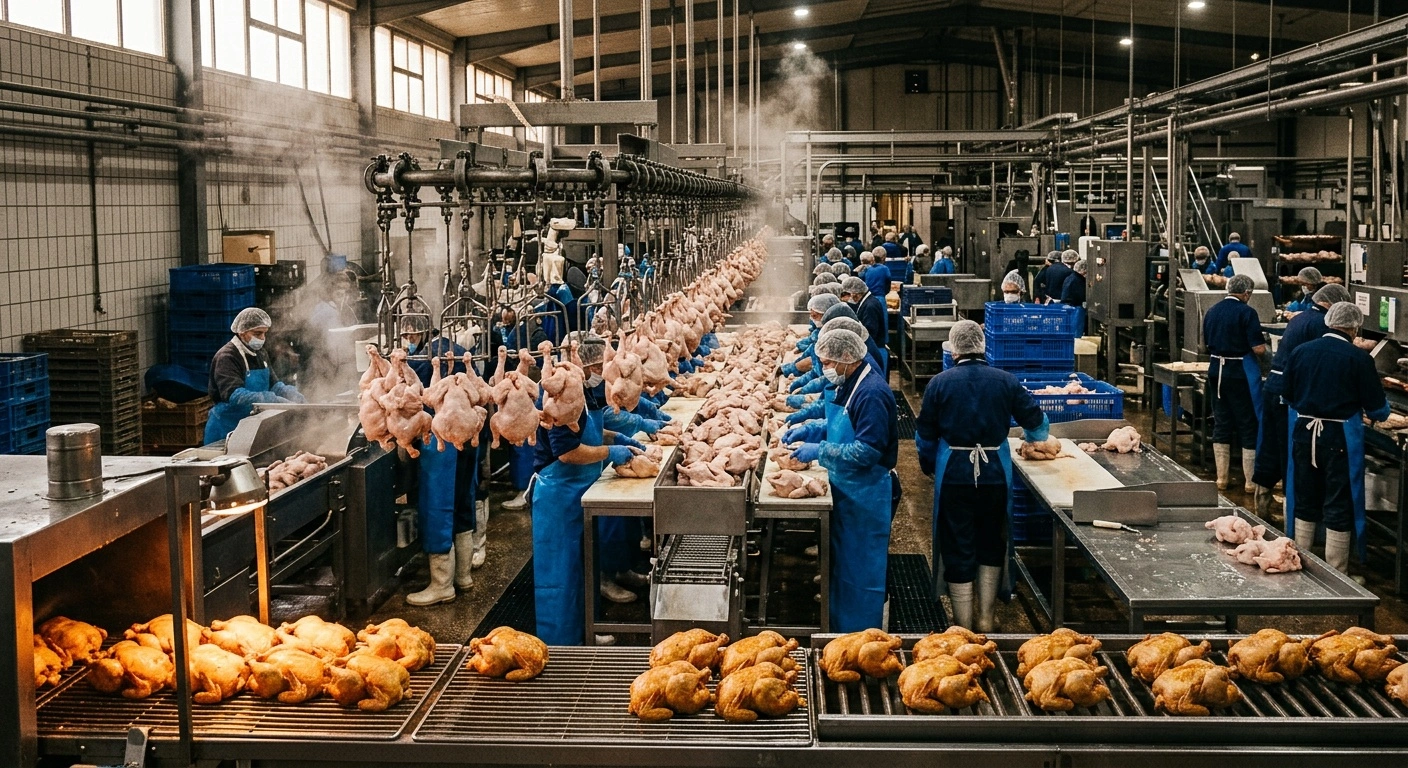
Technological advances have revolutionized processing and distribution with automated lines and advanced refrigeration, ensuring quality and safety. Nevertheless, the sector faces criticism over labor practices and the environmental footprint of large-scale poultry farming, including high water usage and greenhouse gas emissions.
Impact on Home Cooks and Consumers
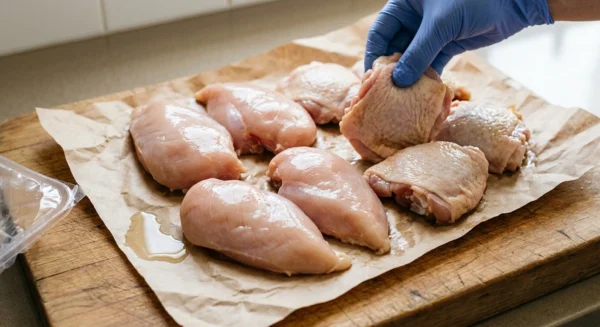
Home cooks benefit from the industry’s consistent and affordable offerings. Supermarkets provide uniform products in size and quality, though this may sacrifice flavor. Many opt for pricier organic and free-range choices for better taste.
From roasting to frying, the industry offers options matching various cooking styles and dietary needs. Home cooks must remain informed about food safety practices, such as ensuring poultry reaches the USDA’s recommended 165°F (74°C), regardless of its source.
Insights from Industry Experts
Ongoing innovations and improvements characterize the industry’s vast scale. The USDA and similar organizations offer research and guidelines to enhance poultry production and safety. The National Chicken Council provides insights into trends and policies, helping consumers understand factors affecting everything from game-day chicken wings to dinner staples.
Trends and Future Developments
With environmental concerns growing, sustainability will become more prominent in the industry. Additionally, watch for lab-grown or cultivated chicken meat advancements as alternatives. Although early in development, this technology promises reduced environmental impact and cruelty-free options compared to traditional poultry farming.
For those attentive to ethical production, expect more transparent labeling about chicken raising, processing, and marketing. Understanding these shifts is vital for both the culinary-savvy cook and backyard chicken keeper to make informed kitchen and table choices.
The Road Ahead for the US Poultry Industry
The US poultry industry remains dynamic and responsive to evolving tastes and technological advancements. As it balances efficiency with ethical and flavorful demands, its practices evolve while maintaining its foundational role in providing dinner favorites.