
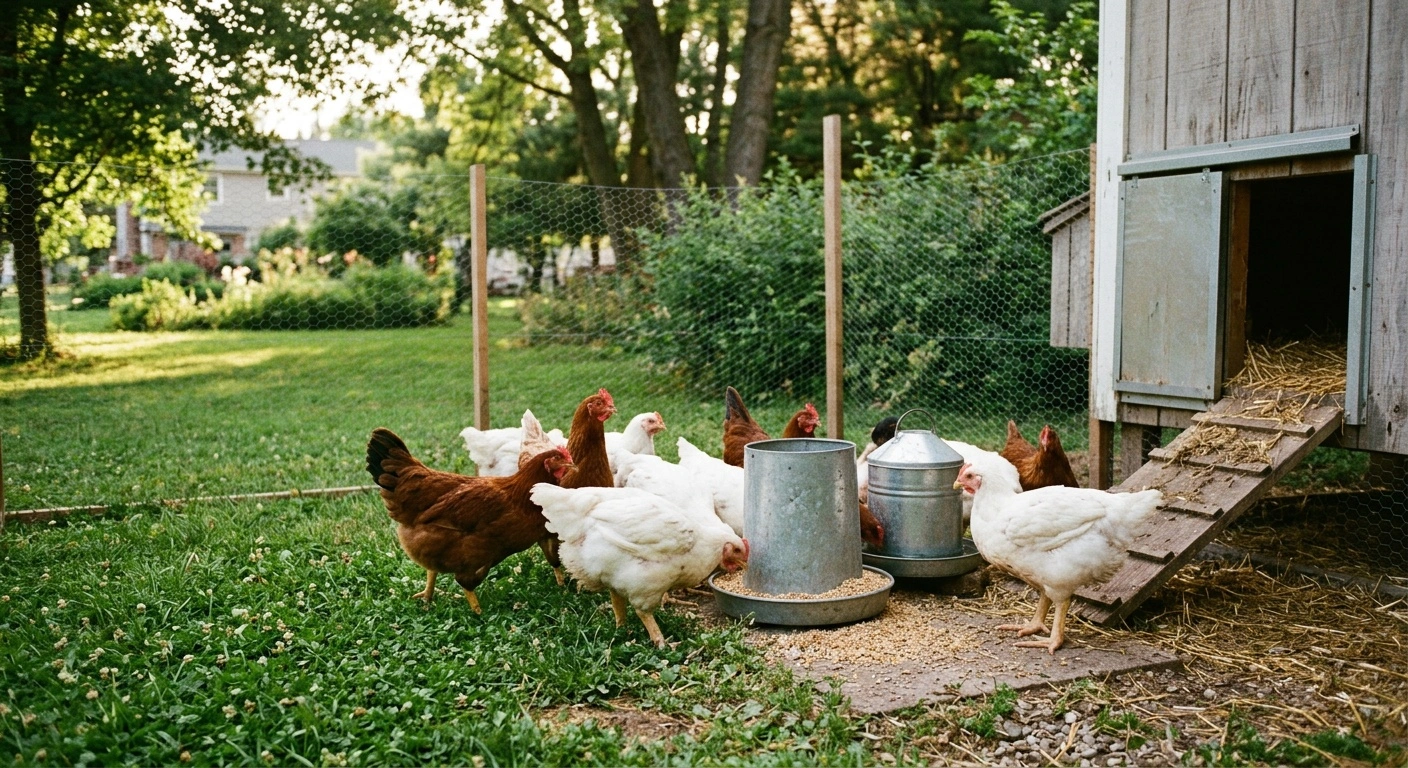
The cost to raise meat chickens, also known as broilers, is a frequent consideration for backyard poultry enthusiasts. Before engaging in this rewarding experience, it’s essential to grasp the expenses involved. Costs can vary significantly based on factors such as breed choice, feed prices, housing needs, and location. This article breaks down the primary costs you can expect and looks at how raising these birds affects your budget.
Initial Costs and Infrastructure
Initial expenses for raising meat chickens include infrastructure. This encompasses coops, runs, feeders, waterers, and more. Building a proper coop is a significant investment if you’re starting from scratch. A good guideline is to allocate 2 to 3 square feet per bird inside the coop. Sourcing materials or pre-built kits can range from $200 to over $1,000, depending on size and material quality.
Additionally, you’ll need feeders and waterers. These can range from $20 to $50 each. Don’t forget the cost of bedding. Straw or wood shavings for bedding is a recurring expense, as it needs regular replacement.
Cost of Chicks
Consider the price of the chicks themselves. This varies by breed, but typically, day-old broiler chicks cost between $1 and $5 each. Popular breeds like the Cornish Cross may be more cost-effective, especially if purchased in bulk. Suppliers often offer bulk discounts, reducing your initial outlay per chick.
Feed: The Major Expense
Feed represents the largest ongoing cost when raising meat chickens. Broilers grow quickly and require a high-protein diet, with the Cornish Cross reaching processing weight in as little as 6 to 8 weeks. A broiler generally consumes about 10 to 15 pounds of feed from start to finish. Currently, expect to pay $15 to $25 per bird for feed throughout its life cycle. This cost can fluctuate with market conditions, so local feed prices should be part of your planning.
Some growers save costs by supplementing commercial feed with kitchen scraps or free-range options. However, ensure these alternatives meet nutritional needs for optimal growth.
Other Considerations
Health and Welfare Costs
Ensuring the flock’s health involves costs beyond feed, such as vaccinations and medications. For a small group, vaccination costs might total around $10 to $20. If disease strikes, treatment costs can rise rapidly, making preventative measures a wise investment.
Processing and Equipment
When your chickens reach processing weight, you’ll need to decide whether to process them yourself or pay for a service. Processors typically charge $3 to $5 per bird. At-home processing might require investing in equipment like cones or special knives, which can total $100 to $300 upfront.
Time Investment
Consider the time investment involved. Caring for chickens requires daily feeding, cleaning, and health checks. Factor in the time these tasks will take over the several weeks your chickens are being raised.
Savings and Economic Opportunities
Carefully calculating potential savings is vital if you aim to save money on poultry. Homegrown chickens often offer more value than grocery store birds, especially when considering flavor and control over the rearing process. Compare the overall cost of raising your chickens to purchasing pre-raised meat from a store to assess the financial advantage.
Some backyard chicken raisers sell extra birds or eggs, creating a modest side income. In such cases, marketing and local regulations should be considered as part of the cost strategy.
Concluding Thoughts on Raising Meat Chickens
The cost to raise meat chickens varies, influenced by breed, infrastructure, and feed prices. By understanding potential expenses upfront and creating a detailed plan, you can ensure your venture is financially viable. Raising meat chickens can supply your family with fresh, quality poultry, leading to a fulfilling and self-sustaining lifestyle.