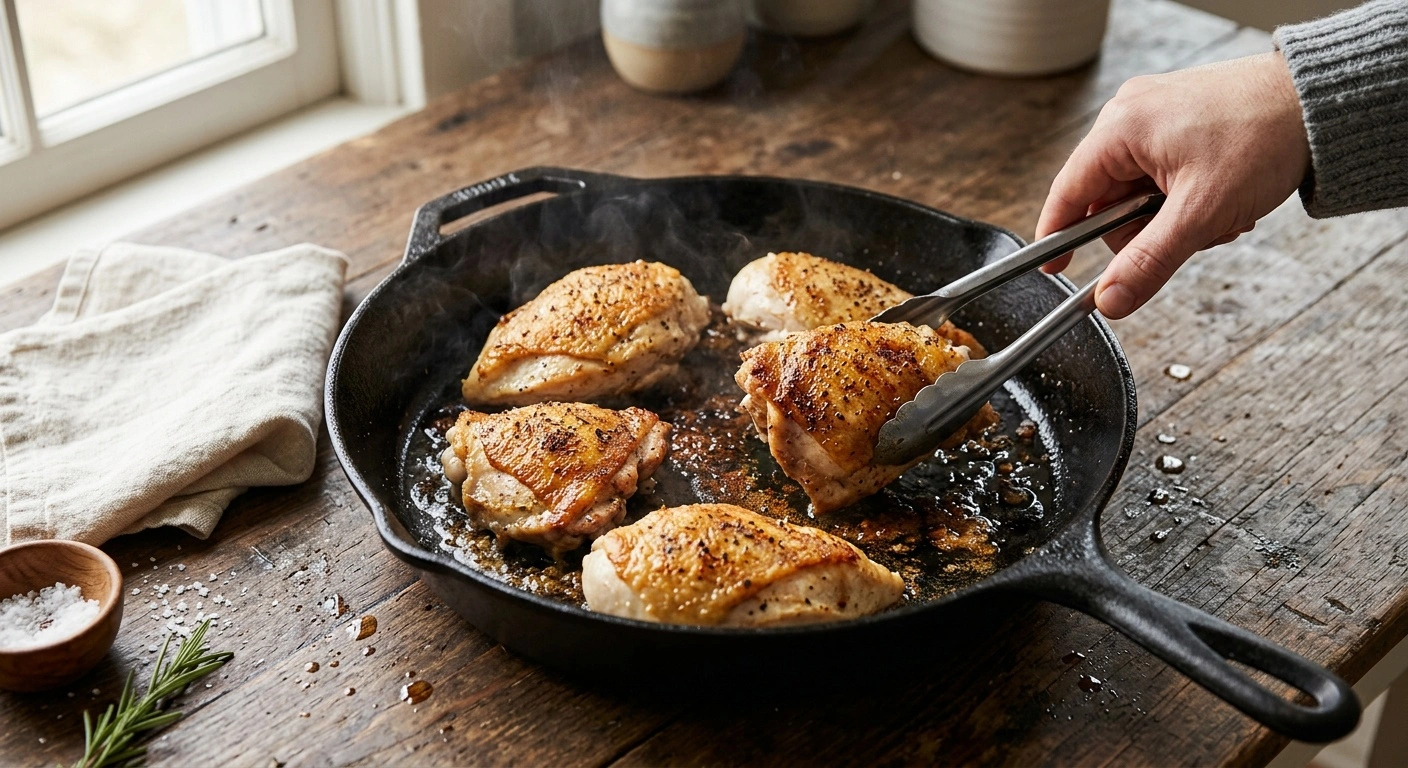
Learning how to cook chicken in a pan is an essential skill every home cook should master. With a little technique, you can transform chicken breast or thigh into a flavorful, juicy masterpiece on your stovetop. Pan-cooking is quick, versatile, and perfect for weeknight dinners or last-minute meals, making it a favorite among chicken enthusiasts.
Choosing the Right Pan
Selecting the right pan is crucial. A heavy-bottomed skillet, such as cast iron or stainless steel, evenly distributes heat and maintains a consistent temperature. This is perfect for achieving the golden-brown sear everyone loves. Non-stick pans aren’t ideal if you want to develop a rich caramelized crust, as they insulate the chicken from direct contact with high heat.
Preparing the Chicken
Before cooking, ensure your chicken is at refrigerator temperature. It should be neither icy cold nor room temperature. Pat the chicken dry with paper towels to prevent it from steaming. Season generously with salt, pepper, and any other desired spices or herbs. A blend of garlic powder and smoked paprika works wonders.
How to Cook Chicken in a Pan
- Place the skillet on medium-high heat and add a tablespoon of oil. The oil should shimmer, indicating it’s hot enough.
- Add the chicken pieces to the pan without crowding. Cook in batches if necessary to maintain the heat and prevent steaming.
- Allow the chicken to cook for 4-5 minutes without moving. When the edges begin to brown and release naturally, it’s time to flip them.
- Turn the chicken, lower the heat to medium, and cook for an additional 5-7 minutes. The chicken is done when an instant-read thermometer reads 165°F (74°C) in the thickest part.
- Remove the chicken from the pan and let it rest for 5 minutes before slicing. This allows the juices to redistribute throughout the meat.
Why This Technique Works
The key to perfect pan-cooked chicken is managing heat and using the right amount of oil. The initial high heat sears the meat, creating a flavorful crust that locks in its juices. Lowering the heat after flipping ensures the chicken cooks through without burning. Resting the meat completes the process, allowing the natural juices to firm up inside.
Common Mistakes and Fixes
Problem: Chicken Sticks to the Pan
Cause: The chicken wasn’t dry enough or the pan wasn’t hot enough initially.
Fix: Ensure both the pan and oil are adequately preheated, and the chicken is dry before it hits the skillet.
Problem: Chicken is Dry
Cause: Overcooking or slicing immediately instead of resting.
Fix: Use a thermometer for precise cooking and let the meat rest before cutting.
Make-Ahead and Storage
You can prep the chicken by seasoning it and storing it in the fridge for up to a day before cooking. If you have leftovers, store them in an airtight container in the refrigerator for up to 3-4 days. Reheat gently over low heat or enjoy cold in salads or sandwiches.
What to Serve Alongside
This cooking method works beautifully with a fresh garden salad, roasted vegetables, or a cheesy risotto. For a lighter option, serve with a simple cucumber and tomato salad dressed with a squeeze of lemon. The chicken also complements grain bowls or pasta dishes, making it versatile for any weeknight meal.
Cooking Chicken at Home
Mastering how to cook chicken in a pan opens up a world of delicious, home-cooked possibilities. This method is quick enough for rushed evenings but adaptable to become part of something extraordinary with the right accompaniments. Use this guide to achieve success in your home kitchen.