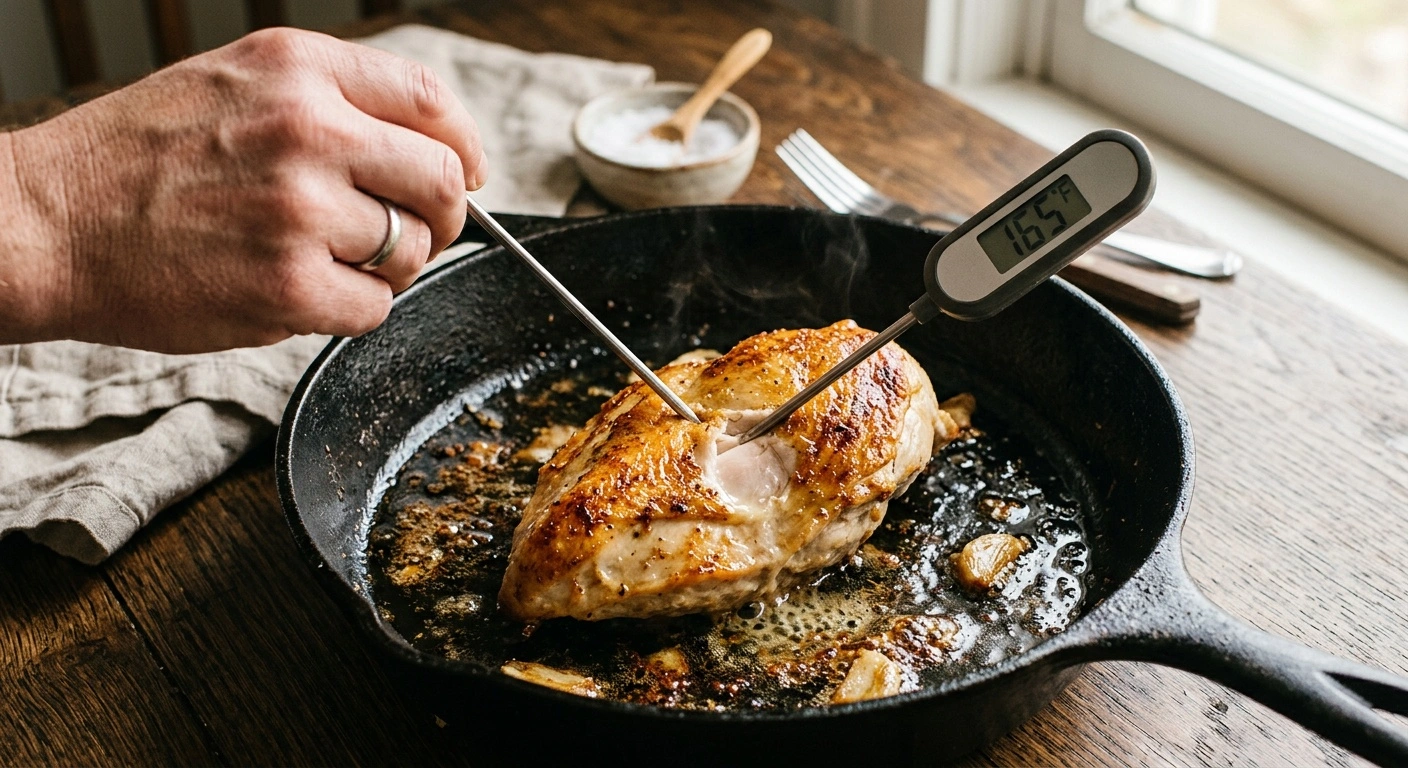
What happens if you eat undercooked chicken? Many home cooks have pondered this at some point. Consuming undercooked chicken can lead to foodborne illness due to bacteria like Salmonella or Campylobacter. Cooking chicken to the USDA-recommended internal temperature of 165°F (74°C) is essential for eliminating these harmful bacteria. Let’s explore why undercooked chicken is risky and how to handle it safely for a satisfying meal every time.
Why Eating Undercooked Chicken Poses a Risk
Chicken is a mainstay protein in kitchens worldwide, but thorough cooking is necessary to prevent illness. Salmonella is a common bacterium found in poultry. According to the Centers for Disease Control and Prevention (CDC), eating contaminated food can cause symptoms such as diarrhea, fever, and abdominal cramps between 6 hours and 6 days after ingestion. Most healthy adults recover without treatment, but the elderly, infants, and those with weakened immune systems are at higher risk of severe illness.
Campylobacter is another significant bacterium. It leads to gastroenteritis with symptoms similar to Salmonella infections. Cooking chicken to the safe minimum internal temperature of 165°F (74°C) effectively eliminates both of these bacteria.
Safe Cooking Practices for Chicken
Preparing chicken to reach 165°F is simple when using the right techniques. Consider these guidelines for various methods:
| Method | Internal Temperature | Considerations |
|---|---|---|
| Oven | 165°F / 74°C | Utilize a meat thermometer and check the temperature in the thickest part. |
| Air Fryer | 165°F / 74°C | Cook in single layers for even results and avoid overcrowding. |
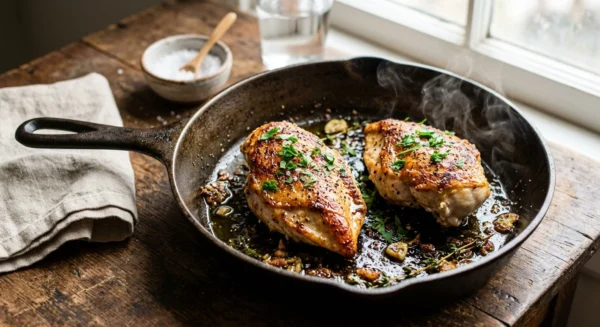
| Skillet | 165°F / 74°C | Focus on heat distribution for uniform cooking. |
| Grill | 165°F / 74°C | Prevent flare-ups that may char and leave the inside undercooked. |
| Slow Cooker | 165°F / 74°C | Great for bone-in cuts; ensure even coverage with liquids or sauces. |
| Pressure Cooker | 165°F / 74°C | Retain moisture effectively; ensure pressure is fully released before opening. |
Preventing Cross-Contamination
Proper handling of raw chicken is as vital as thorough cooking. Avoiding cross-contamination involves simple steps:
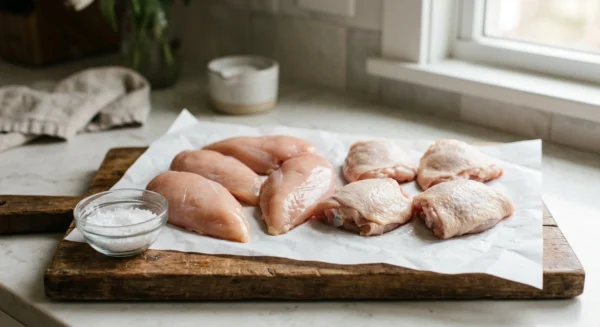
- Dedicate a separate cutting board for raw poultry.
- Wash hands with soap and water after touching raw chicken.
- Sanitize knives and surfaces that contact raw chicken immediately.
- Avoid washing raw chicken to prevent bacteria spread through splatter.
Troubleshooting Undercooked Chicken
Even experienced cooks occasionally face undercooked chicken. Here’s how to troubleshoot common issues:
- Problem: Chicken is raw inside but appears cooked outside.
- Cause: Cooking at too high a temperature.
- Fix: Lower heat for even cooking and use a thermometer.
- Problem: Chicken dries out before reaching 165°F.
- Cause: Overcooking or insufficient fat/liquid.
- Fix: Brine or marinate in advance and opt for methods retaining moisture, like baking in a sauce.
What to Do if You Eat Undercooked Chicken
If you consume undercooked chicken, watch for symptoms of foodborne illness. Mild symptoms usually resolve independently, but staying hydrated is key. Seek immediate medical attention for severe symptoms or if you belong to a higher-risk group.
Ensuring Safe and Enjoyable Chicken Meals
Understanding the implications of eating undercooked chicken and practicing safe cooking and handling methods can make chicken dishes enjoyable and secure. Whether grilling for a weekend BBQ or baking a comforting roast, adhering to the USDA temperature guideline ensures a delicious and safe meal.